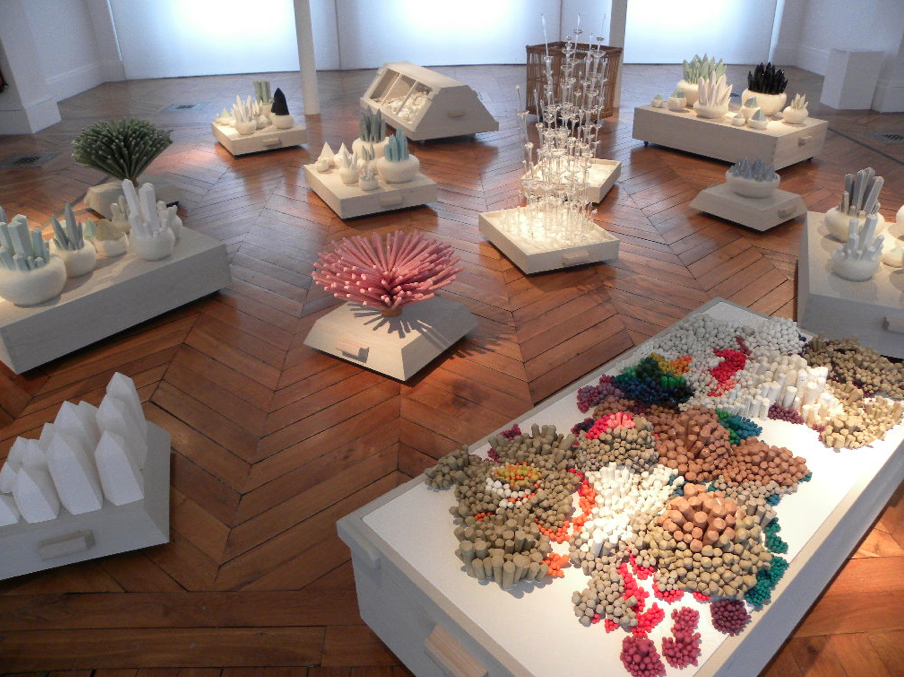
 Its that time again… our weekly adventure with Karen Samimi. Today we’ll be going to a place almost as exotic as yesterday’s gardens.

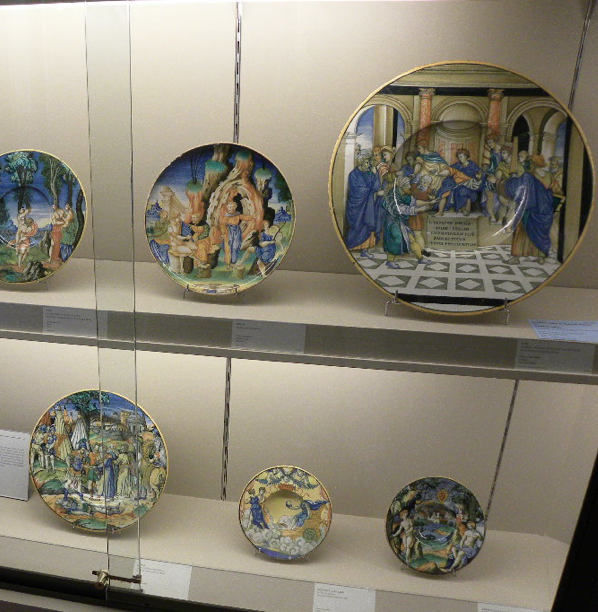
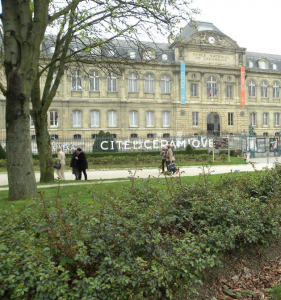
 The Cité de la Céramique (City of Ceramics) – Sèvres & Limoges honors France’s role in the history of fine porcelain and was created in 2010 with the merger of the National Ceramic Museum in Sèvres and the Adrien Dubouché National Museum of Limoges. The Sèvres site, located right on the Seine, consists of 25 historic buildings, with 2 dedicated museums: one, the National Porcelain Manufacture (Factory), created originally in Vincennes in 1740 and moved to Sèvres in 1756, and the other, the National Ceramic Museum, inaugurated in 1824. Even today the Manufacture produces works of art in porcelain using techniques that have been handed down for generations. The Museum holds a world-famous collection : 50,000 ceramic objects from across the globe. The Limoges location houses the finest collection of Limoges porcelain. The City as a whole is an international center for ceramic and enamel applications in art & design, creates, produces and repairs porcelain, and promotes cultural activities for all ages. Romane Sarfati was named the first female director of the City in May, 2014 by the French Minister of Culture and Communication.
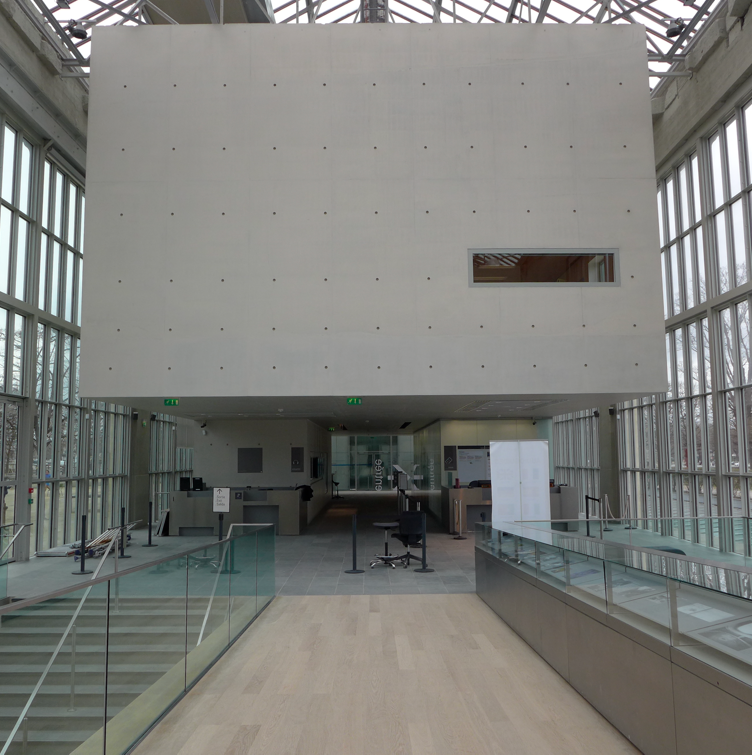
To enter the museum, walk up the central outdoor staircase to the reception area on the first floor. To the right is a wing devoted to the history of ceramics through the ages and has multimedia equipment for learning about producing porcelain, with masterpieces from Antiquity, Middle Ages, Asia, Islam, the European Renaissance, and the Americas. In the wing to the left is a contemporary exhibition gallery and the Sales Gallery, where exquisite porcelain manufactured in Sèvres may be purchased. The second floor houses a collection of 17th to 20th century European porcelain, and the 3rd floor is used for temporary exhibitions. The Manufacture building is not regularly open to the public. and can be visited by groups with advance reservations, by individuals on specific tour days, or on the annual National Patrimony Day in September.
I enjoyed visiting the Large Vase Room located on the second floor and it was interesting to learn the definitions and see examples of the different types of ceramics: pottery, earthenware, stoneware, porcelain, biscuit, and glass. I also enjoyed trying out the interactive exhibit to create my own personalized plate using motifs specific to the Sèvres collections. Be sure to notice the display of decorative porcelain toilet chairs used by royalty.
 Practical information:
Sèvres – Cité de la céramique
2 Place de la Manufacture
92310 Sèvres (France)
Tél. : +33(0)1 46 29 22 00
www.sevresciteceramique.fr
Open every day from 10 am to 5 pm except Tuesdays, January 1, May 1, and December 25.
Guided tours for groups and individuals available.
Theme tours available one Monday a month.
Free for visitors under age 18, ages 18-25 with European nationality, job seekers, handicapped, and on the first Sunday of every month.
Individual prices between 4.50 and 8 euros
How to get there:
Metro line 9 : « Pont de Sèvres » stop (exit in front of the train, exit n°2), then walk over the bridge to the museum
Tramway T2 Val de Seine : « Musée de Sèvres » stop
Bus at Pont de Sèvres : 169, 179, 279, 171, 26 ( first stop after the bridge : « Musée de Sèvres »)
Paid parking available in front of the City, at the Tramway station and at the entrance to Parc de Saint-Cloud.
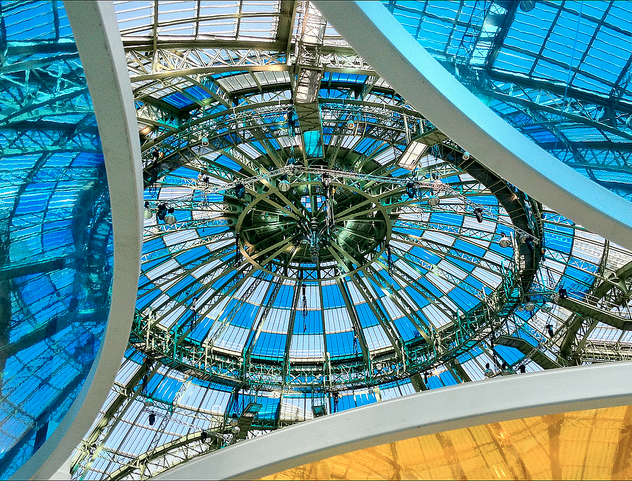
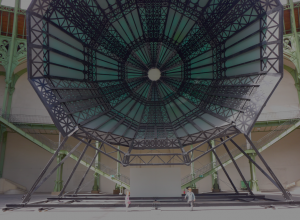 The problem with Monumenta is that it is very expensive, and it was lost to budget cuts. A very affluent Russian stepped in, offering to foot the bill for the entire show, if the state agreed to offer the prestigious role to the relatively unknown Kabakov’s. Walking in, there is a stupendous amplifier, with a design that evokes the Eiffel Tower as it projects mystical sounds. It moves those who walk past, quite literally with the vibrations of sound waves rolling through the space. The rest of the show was a complete let down, exploring themes of angels and cosmic energy, like a stroll through Haight-Ashbury without any of the charm and absolutely no respect for the monumental space.

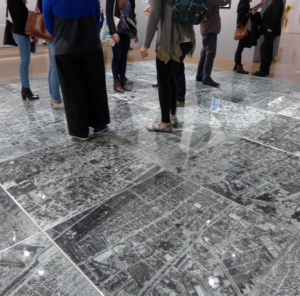 His show, which opened today at the
 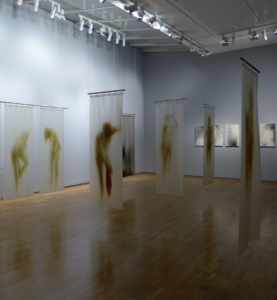 the introduction to another theme. Beyond movement, Mr Munoz’s work is awash in water. Water that cleanses, purifies, erases; his subjects shower, their images printed on hanging shower curtains. Fading images of the dead are projected onto shower floors, drains included.
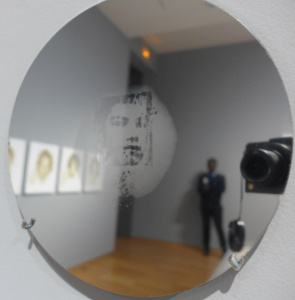 In one room, a row of metal disks line the wall. Exhale your breath onto the disk and the silhouette of an obituary photos appears, then disappears before your eyes, only to reappear again with your very next breath.